
Fieldwork in Low-Literacy Environments
According to research, people with formal education tend to think more abstractly, futuristically, and categorically, while people in low-literacy settings can value interpretations that are immediate, tangible, and narrative-driven.
RESEARCH
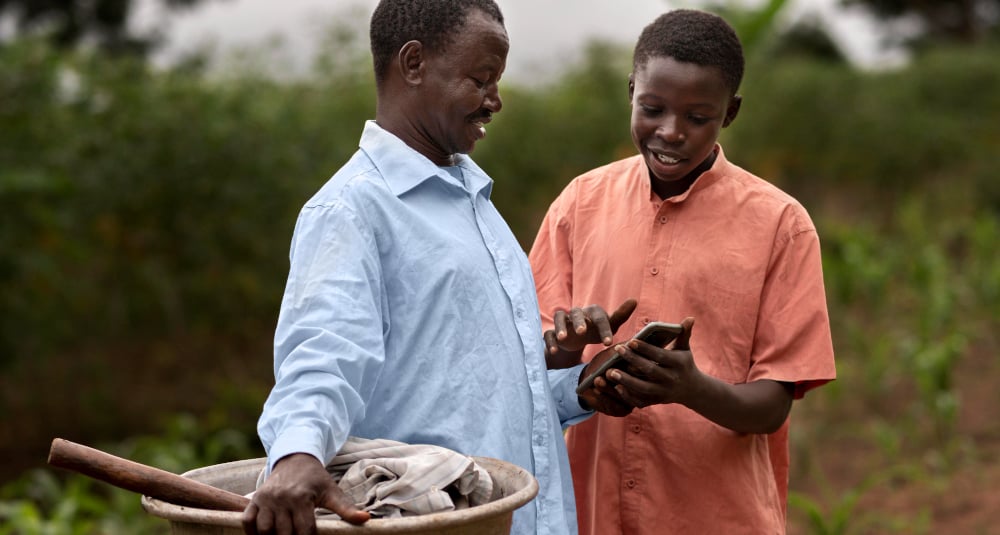
Understanding the nuances of fieldwork in low-literate environments requires a rigorous reevaluation of literacy within a research framework. According to empirical observation, literacy is a multifaceted spectrum that is impacted by social, environmental, and structural factors. Nonetheless, literacy is frequently portrayed as either present or absent.
This spectrum comprises the non-literate, who rely on oral traditions and collective memory, and the low-literate, who may possess basic functional competence but find complex forms or technical jargon intolerable.
The Difference in Cognitive Style and Information Processing
A major problem in these settings comprises the cognitive style gap. This is where literacy levels are significantly correlated with specific approaches to comprehending and processing information. According to research, people with formal education tend to think more abstractly, futuristically, and categorically, while people in low-literacy settings can value interpretations that are immediate, tangible, and narrative-driven. This indicates an alternative cognitive architecture rather than an intellectual impairment.
For the researcher, this means that a normal questionnaire based on abstract situations may produce incorrect data because the instrument itself is cognitively incompatible with the participant's worldview, and not because the person lacks intelligence.
The Development of Informed Consent Techniques
In many low- and middle-income countries (LMICs), the Western idea of individual liberty is often overshadowed by family or societal responsibilities. Therefore, ethical fieldwork requires a gatekeeper approach in which local leaders, religious authorities, or tribal elders are initially informed of the research goals and methodology.
Rather than replacing individual permission, this communal involvement provides an ethical basis that fosters the trust necessary for genuine participation. In social science and biomedical research, where the dangers are low, verbal informed permission has become a strong substitute. This process is a continuous flow of information rather than a single occurrence.
For instance, a week before data collection in the Golestan Cohort Study, which involved the Turkman people, medical professionals visited prospective participants in their homes. This phased approach allowed participants to confer with neighbors, family members, and religious experts, ensuring that their decision was both informed and voluntary within their cultural context.
Methodological repertoires: the rise of participatory paradigms
Traditional research approaches use an extractive model, in which external experts gather data from a community. In low-literacy settings, participatory methodologies such as Participatory Rural Appraisal (PRA) and Participatory Action Research (PAR) are progressively replacing this model. In this context, locals are empowered to be the primary analysts of their own conditions.
Participatory Rural Appraisals (PRA) and Visual Learning PRA are a set of practices that empower local communities to share, improve, and analyze their knowledge of life and situations. The fundamental tenet of PRA is handing over the stick (or the pen or the chalk). The researcher becomes a facilitator of local learning rather than an expert. PRA successfully gets around the obstacles posed by conventional textual data collecting by largely relying on interactive and visual tools that don't require reading or numeracy.
Important PRA tools and how they work include:
Participatory Mapping and Modeling: Residents map their social and demographic resources using paper, chalk, or the ground. This has been used to identify agro-ecological issues, including soil disease and water misuse in regions like Andhra Pradesh, India. Transect walks are methodical strolls across the neighborhood when locals and scholars observe and talk about social and environmental aspects.
Matrix Scoring and Ranking: Participants use seeds, stones, or drawings to assess various factors, such as the quality of local health services or the efficiency of various crops. Seasonal calendars are graphic depictions of time-based patterns that help communities anticipate and prepare for seasonal stress, such as work cycles, rainfall, or disease prevalence.
These instruments have proven to have high levels of validity and reliability, frequently matching the data quality of household surveys that are far more costly and time-consuming. More significantly, PRA increases the possibility of long-term sustainable change by guaranteeing that the community owns the research's findings.
Best Practices for the Reflective Fieldworker
Due to the intricacy of conducting research in low-literacy settings, a reflective practitioner paradigm is necessary. Here, the fieldworker continuously assesses the educational, social, and ethical impacts of their presence. The following best practices can assist with conducting effective research.
a. Gearing Up for the Field
Effective fieldwork starts with target audience research to determine the community's physical, behavioral, and demographic traits. This entails being aware of current rumors, myths, and knowledge gaps that could affect the research. Before the actual data collection starts, researchers should try to spend a lot of time with participants to build trust and discover any potential cognitive or cultural hurdles.
b. Creating Accessible Materials
All documents must be created with the lowest literacy levels in mind, whether they are surveys, consent forms, or instructional guides. This encompasses:
The Use of Plain Text: Steer clear of jargon, use the active voice, and provide clear, practical directions.
Universal Precautions: By structuring the information delivery as though each participant might have limited literacy, everyone, including highly literate people who might be preoccupied or under stress, will be able to understand it.
Locally Produced Illustrations: Since foreign-developed pictograms are sometimes misunderstood, local artists are hired to provide culturally recognizable drawings.
Testing and Iteration: Before widespread distribution, each visual and spoken tool must be field tested with a small sample of the target audience.
Controlling Expectations of Power and Reward
Fieldworkers must keep in mind the power dynamics imposed by the researcher-participant connection. Managing reward expectations from the start is crucial since many participants in Low- and Middle-Income Countries (LMICs) may enroll in research in the hopes of seeing visible benefits right away. Rebalancing these dynamics and ensuring that participants' perspectives are truly heard and appreciated can be achieved by acknowledging them as experts in their own lives through digital storytelling or oral histories.
Conclusion
The fundamental presumptions of contemporary academics are challenged by the unique and intellectually demanding aspects of fieldwork in low-literacy situations. Hence, the next generation of researchers must work as mediators who can skillfully and sensitively traverse the literacy spectrum as global connectedness grows. This demands a shift from faddism or rushing into participatory research to a sustained dedication to community data ownership and trust-building.
Through the application of decolonized ethical frameworks, speech-based technology, and participatory visual tools, the conventional reliance on written language must be methodically broken down. Methodologies must prioritize oral tradition, narrative memory, and visual representation in accordance with the community's cognitive and cultural preferences. This will help yield evidence that is not only more valid but also more empowering for the participants.
Subscribe to our newsletter
Stay ahead with insights that matter. Subscribe to our newsletter to receive insights on practical intelligence for emerging markets.